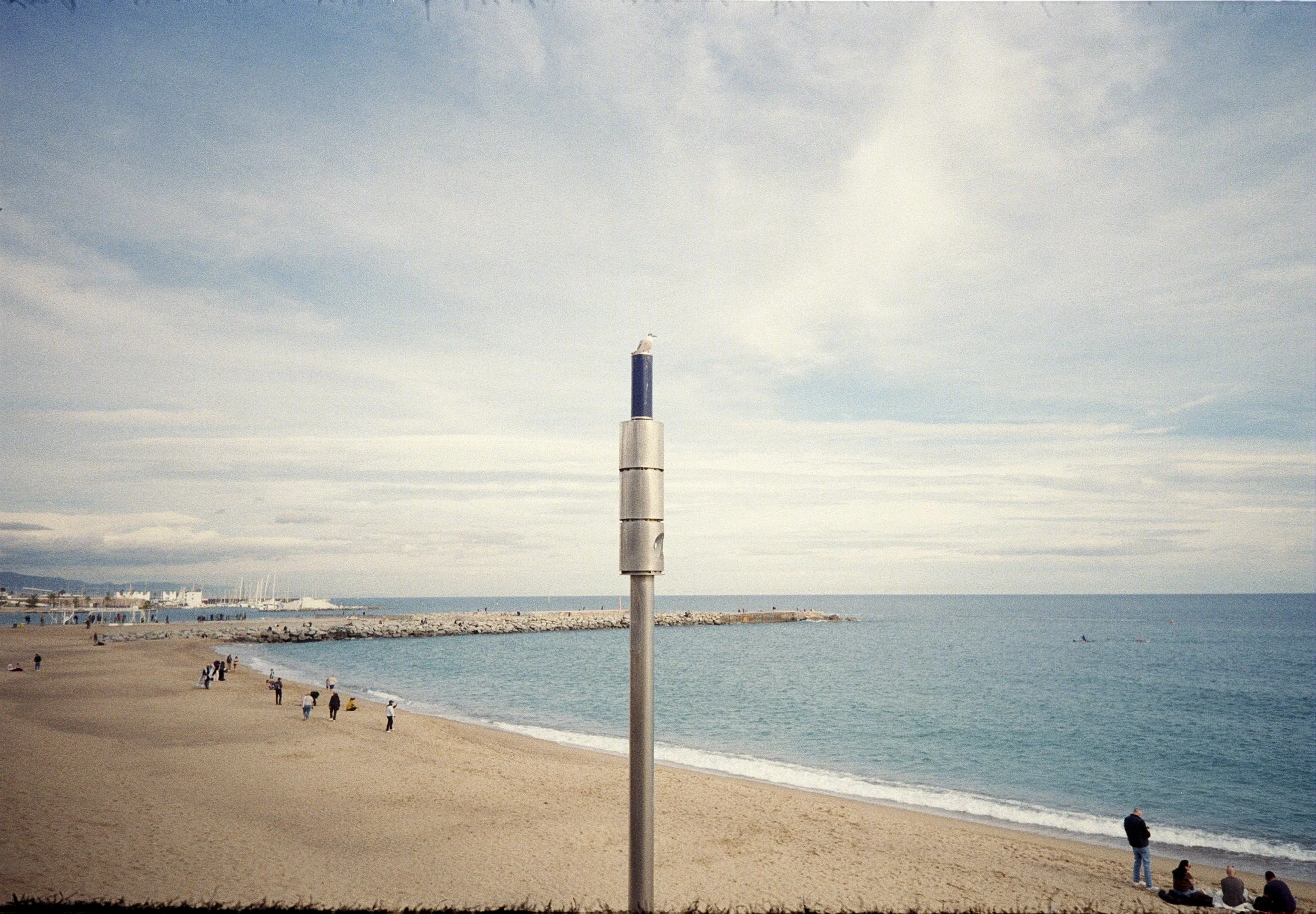
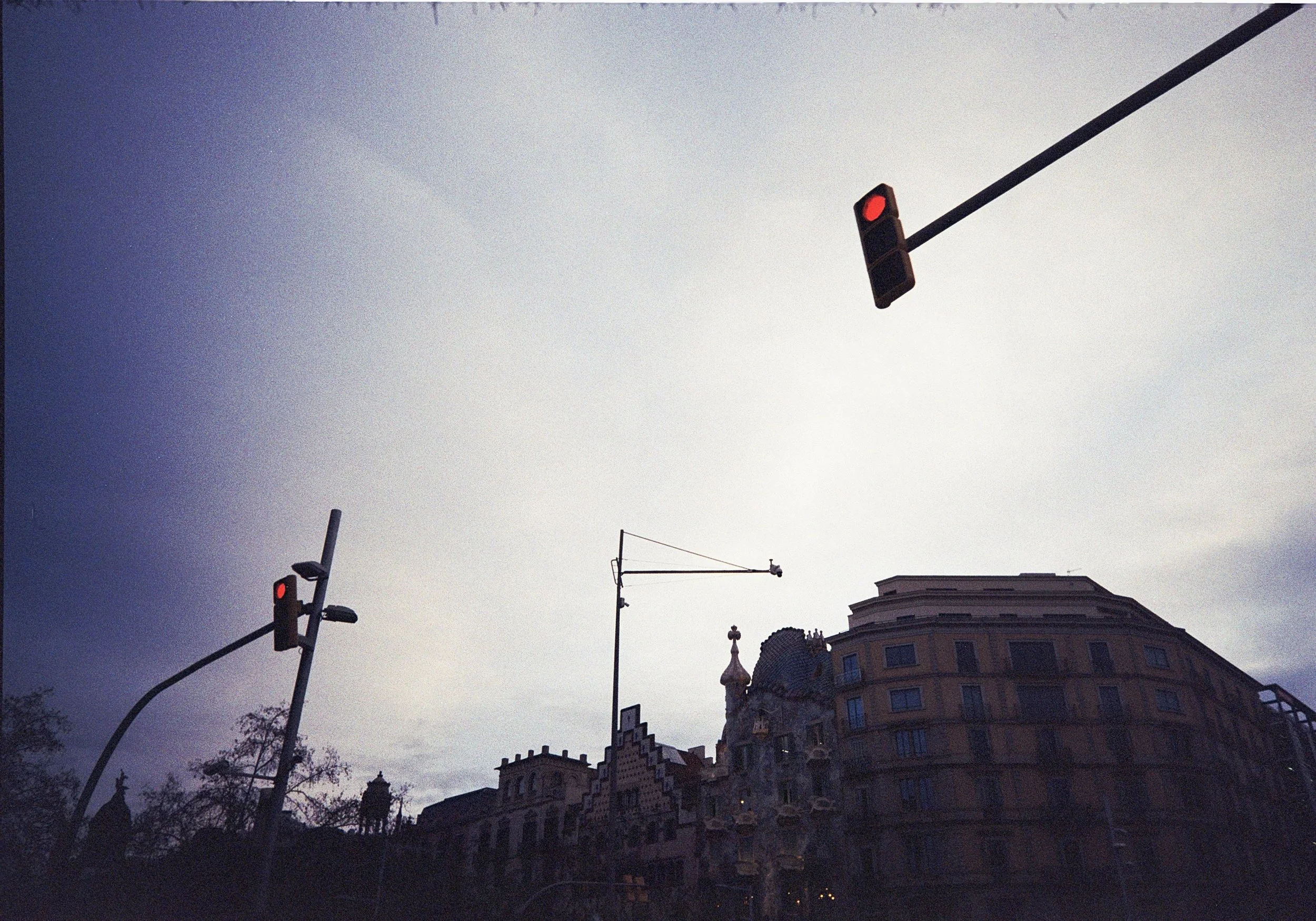
Kodak Snapic A1 Review - A Simple Camera That Works
Why I Bought This Camera
Whenever I travel, I usually take a Leica M film body paired with a 35mm or 50mm Summicron. At the very least, I’ll carry a point and shoot like Leica Minilux or Yashica T5.
But this time, I was heading to Barcelona.
Barcelona has a reputation, fair or not for pickpocketing and theft, and I didn’t feel comfortable walking around with several thousand euros worth of gear hanging from my shoulder. So I decided to try something different.
The idea was simple. I would visit camera shops in Barcelona, see what was available locally, and pick up a used film camera for the trip if something interesting appeared.
What surprised me was that most stores either had overpriced vintage gear or collections that didn’t really appeal to me. But one thing stood out immediately: almost every shop had the Kodak Snapic A1 in stock.
In Germany, at least in Düsseldorf I had never seen it available locally. So on the second day of my trip, with about a day and a half left to shoot, I bought one for 109€.
I ended up putting seven rolls through it.
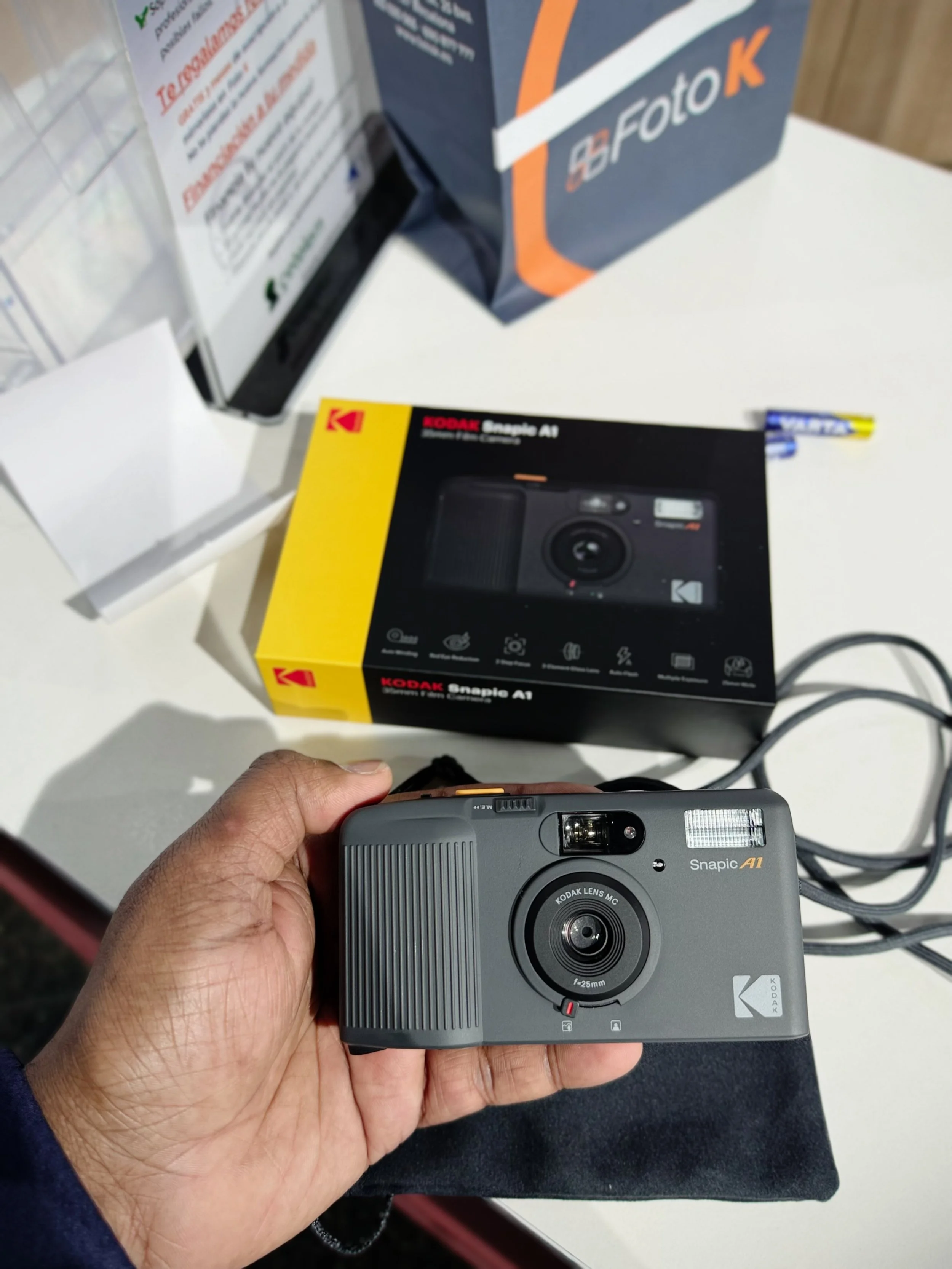
First Impressions: Simplicity Is Freedom
Coming from high end cameras packed with features, using this camera felt incredibly refreshing.
There’s almost nothing to configure. No autofocus delay, no exposure decisions, no menus to scroll through. You simply raise the camera, press the shutter, and capture the moment.
That’s it.
This “always ready” experience reminded me strongly of fully mechanical Leica cameras. Ironically, many modern digital cameras, even premium ones feel slower because of wake up times or autofocus hesitation. The Snapic A1, by contrast, fires instantly every time you press the button.
That immediacy is one of its biggest strengths.
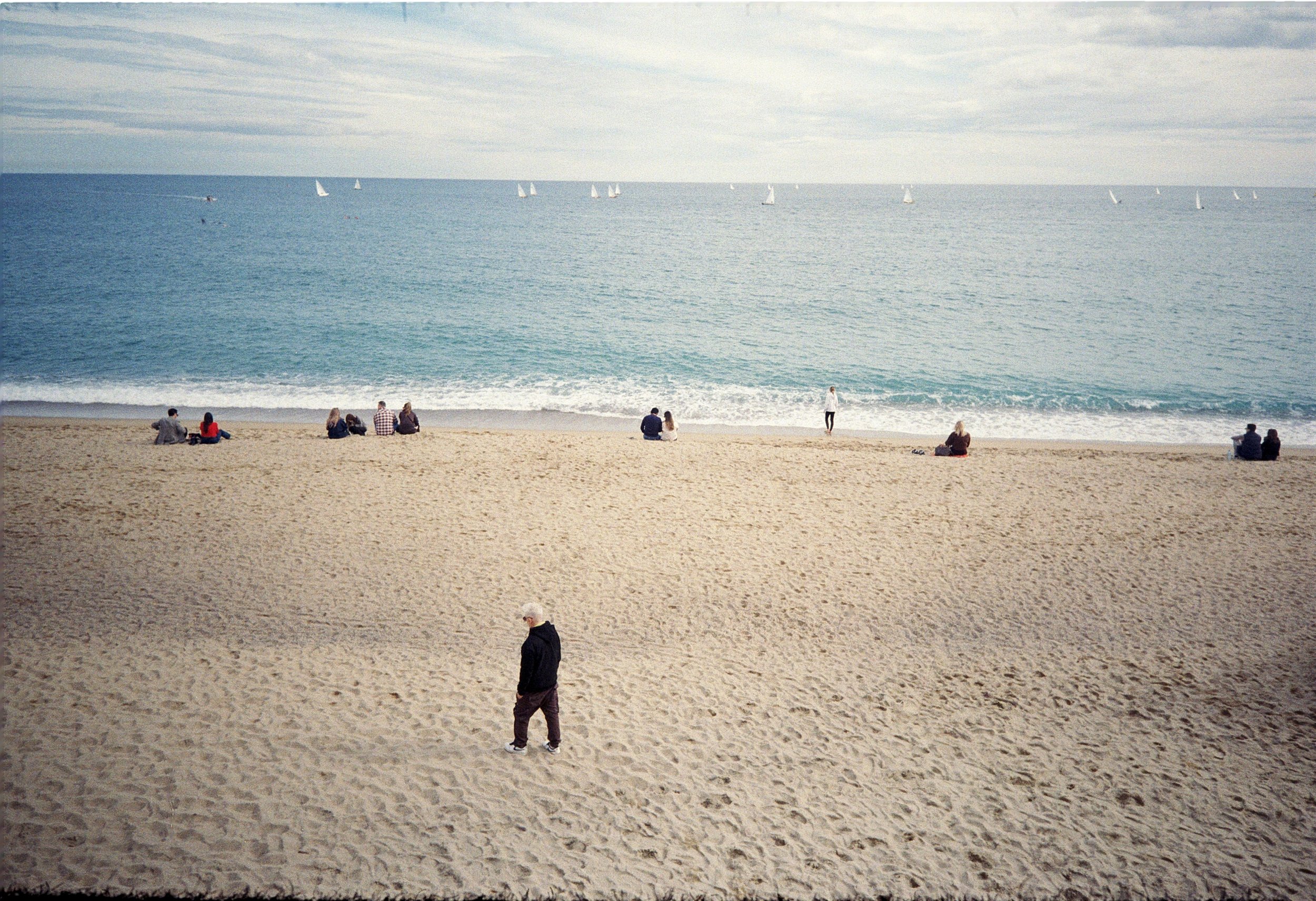
Technical Simplicity That Actually Works
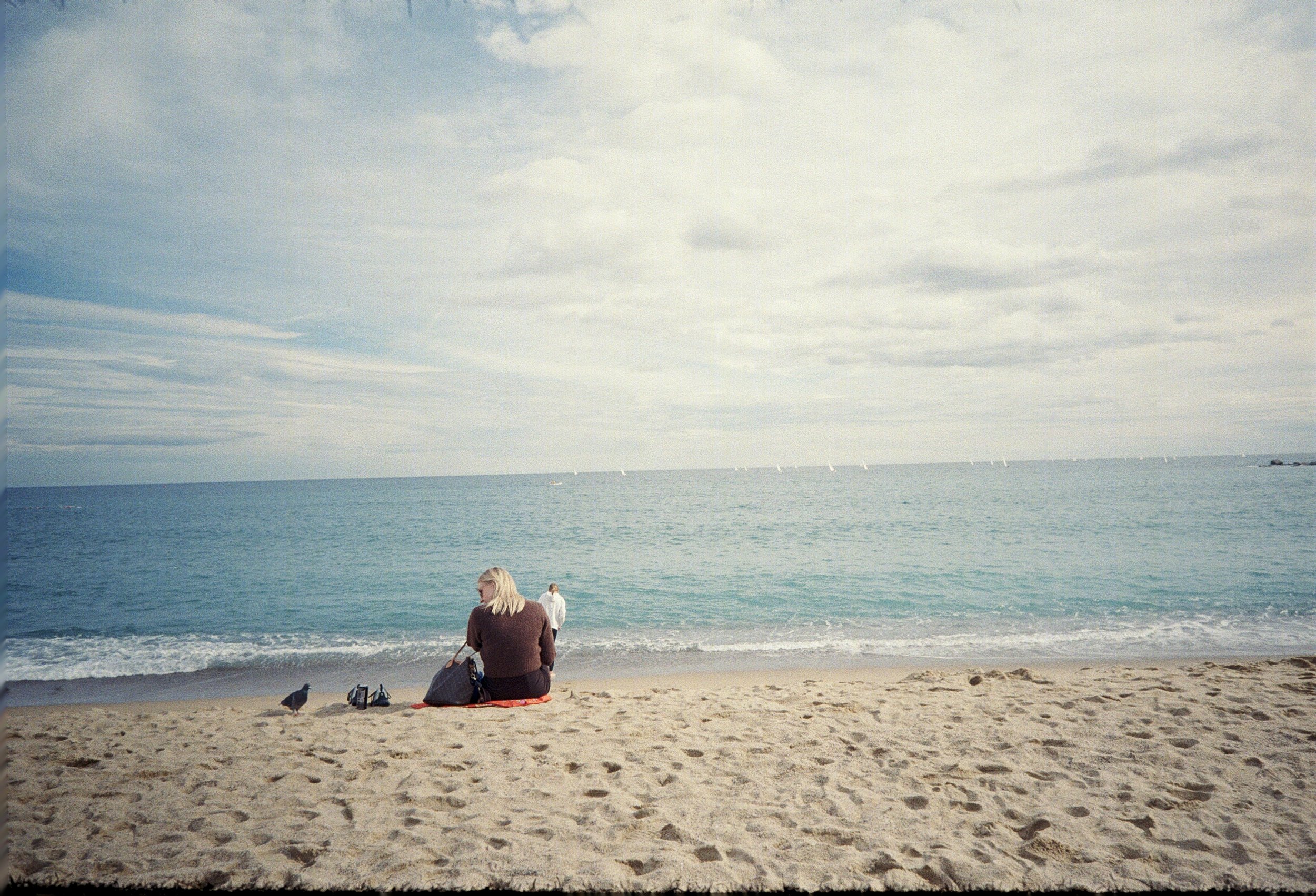
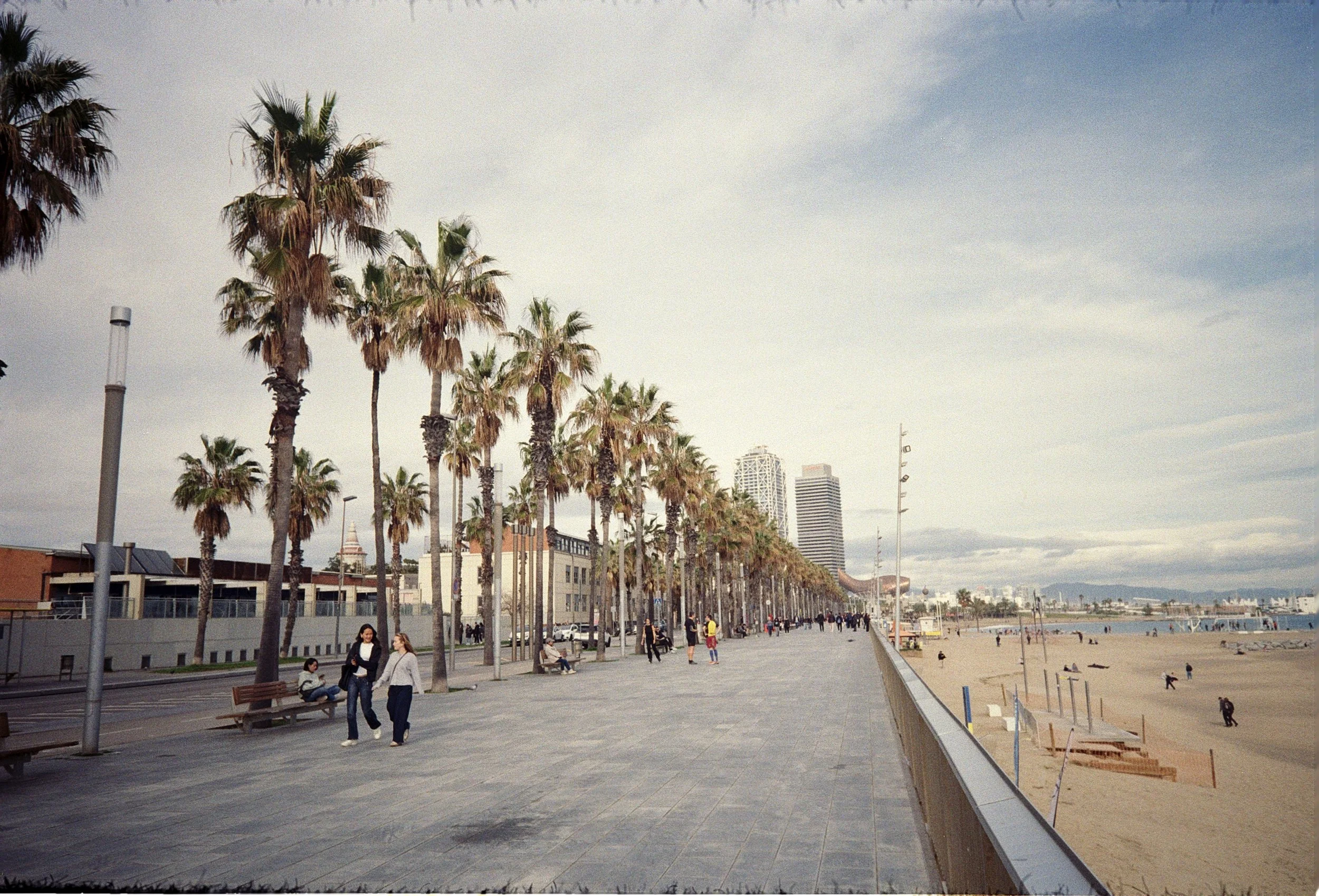
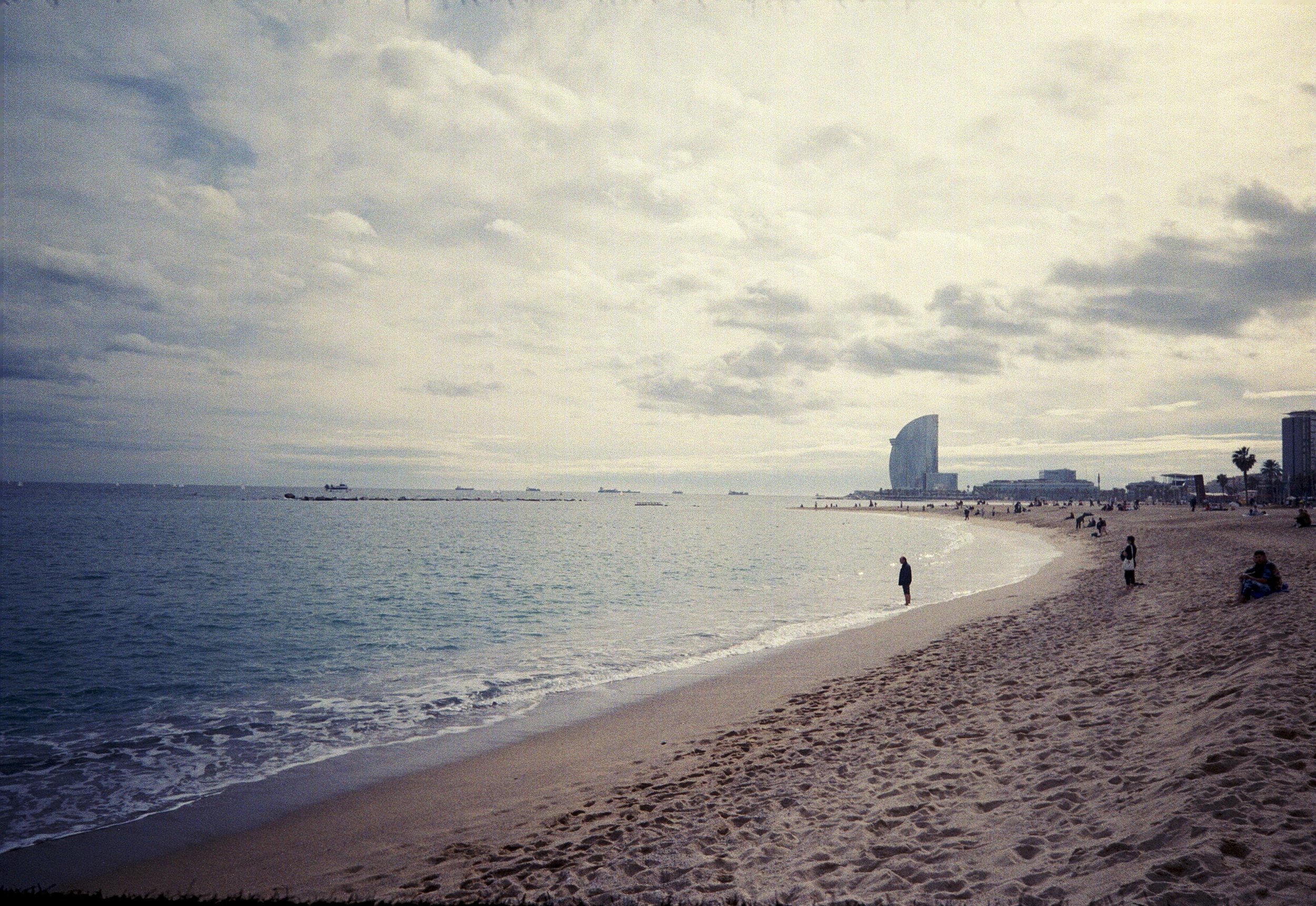
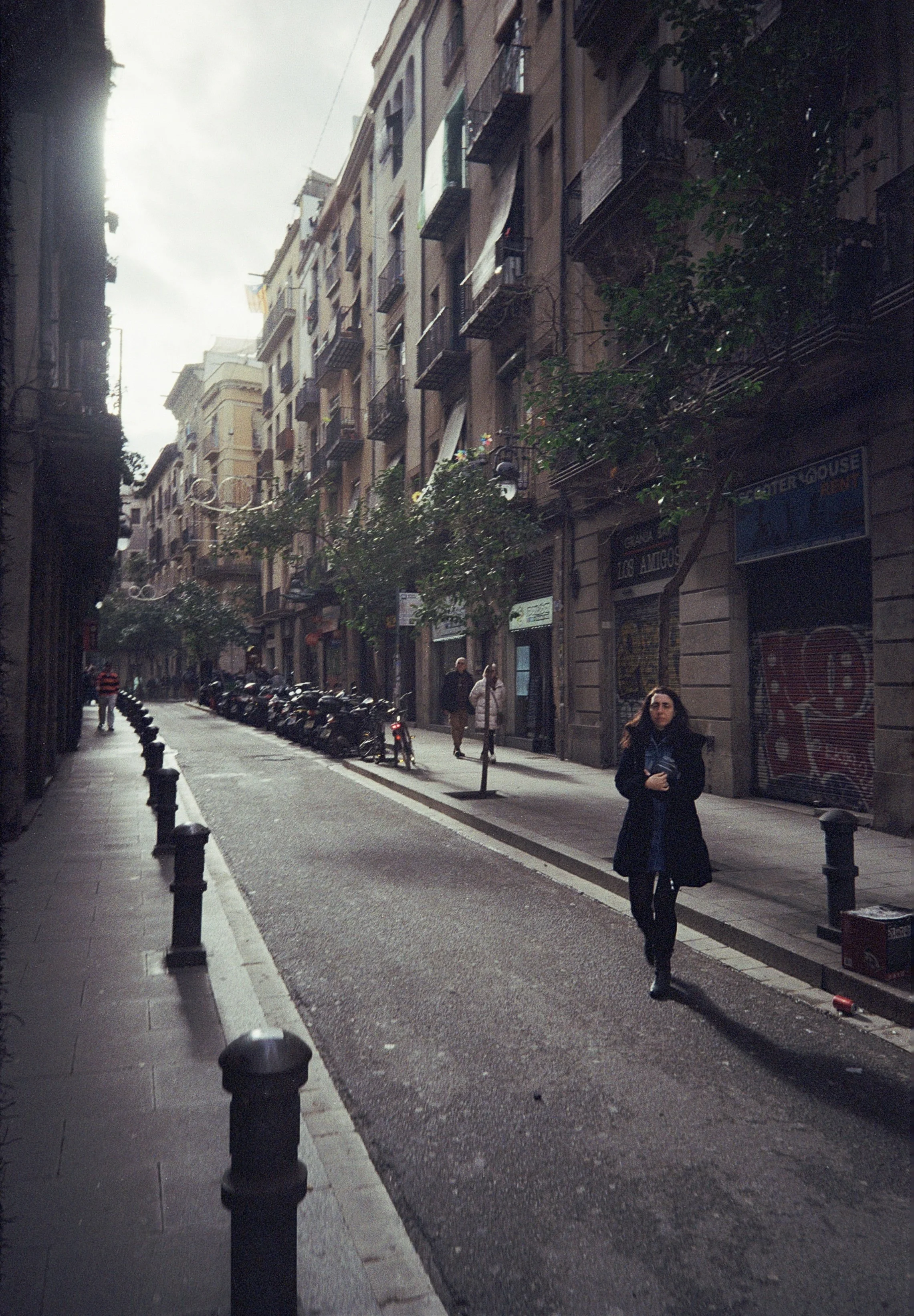
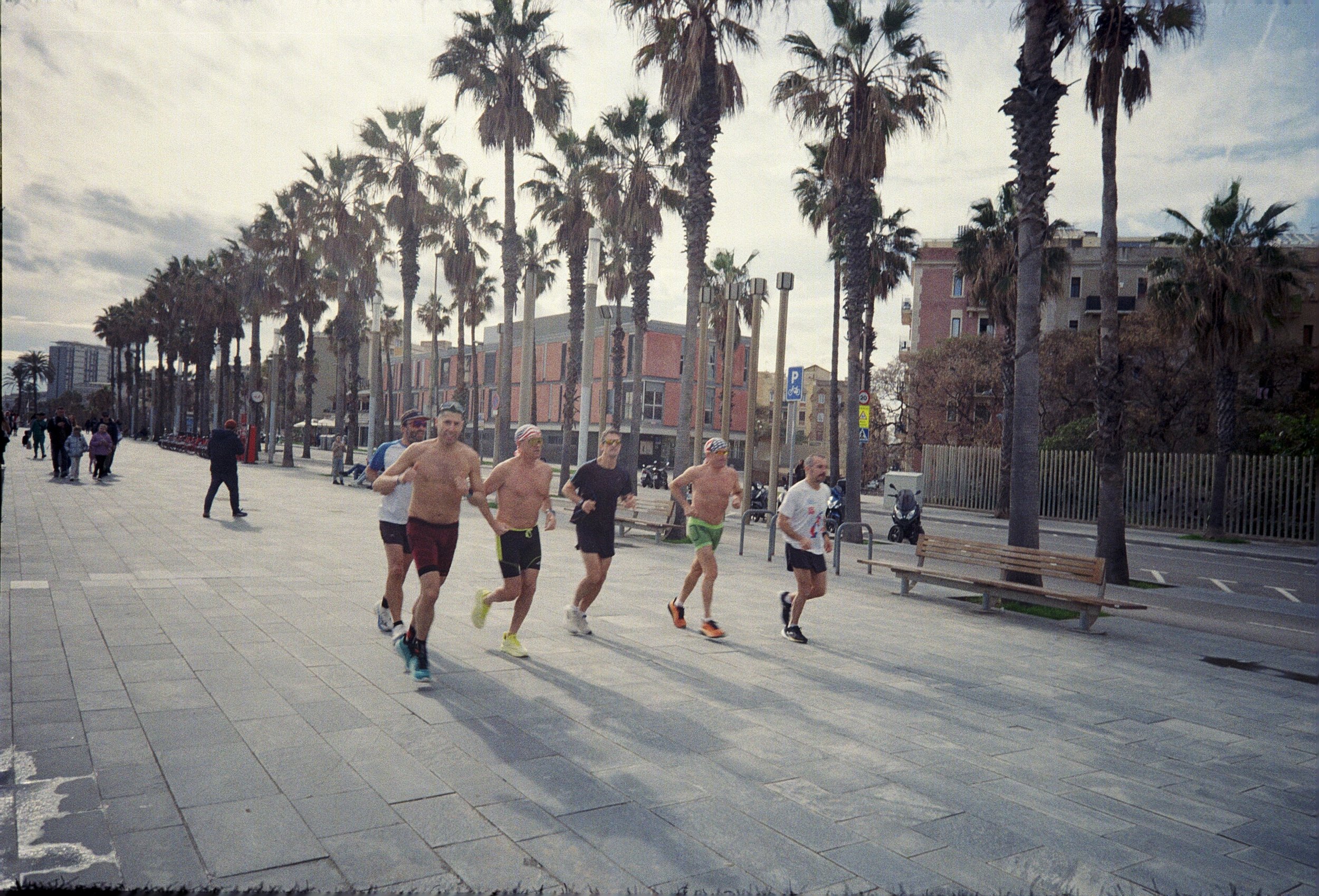
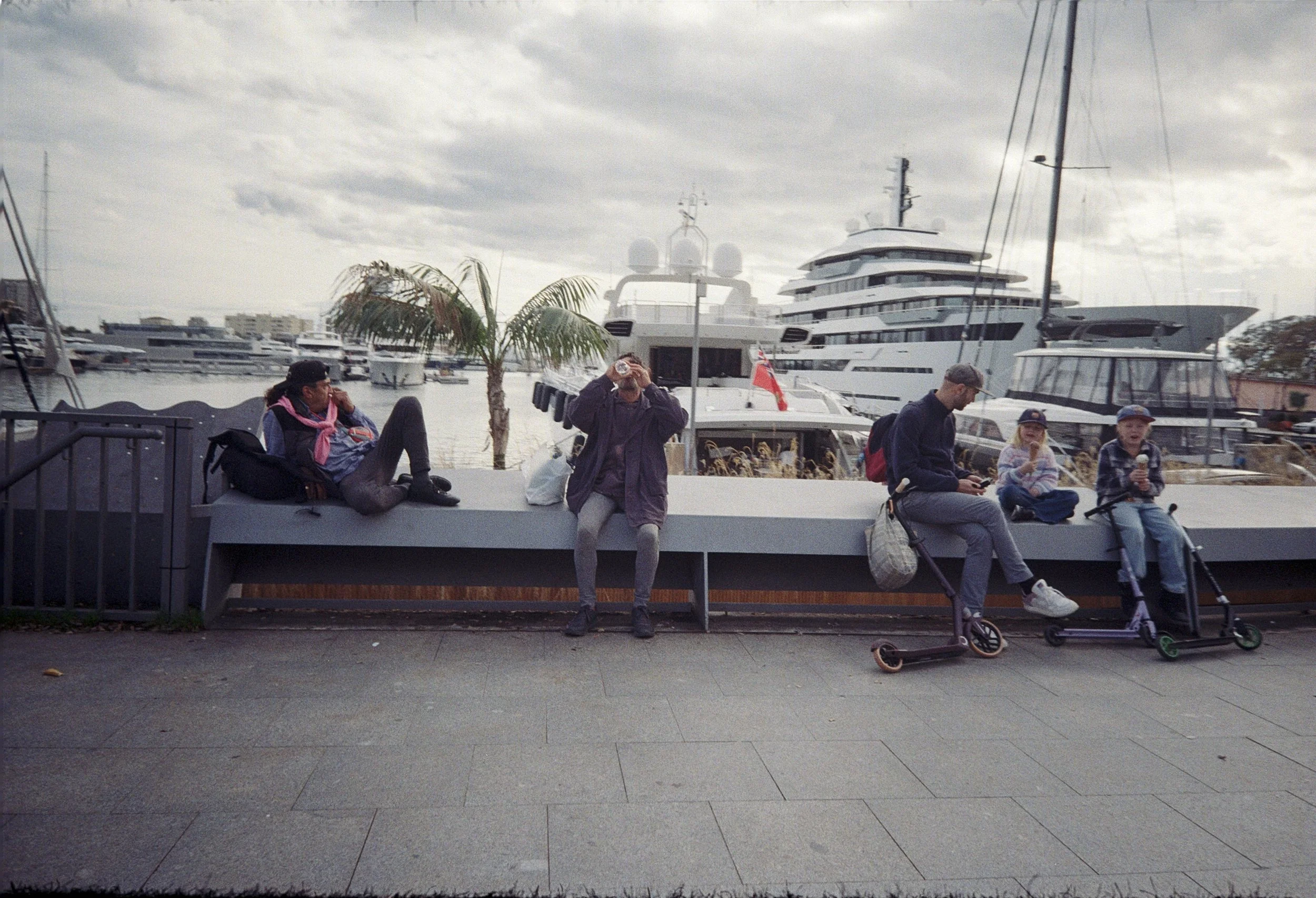
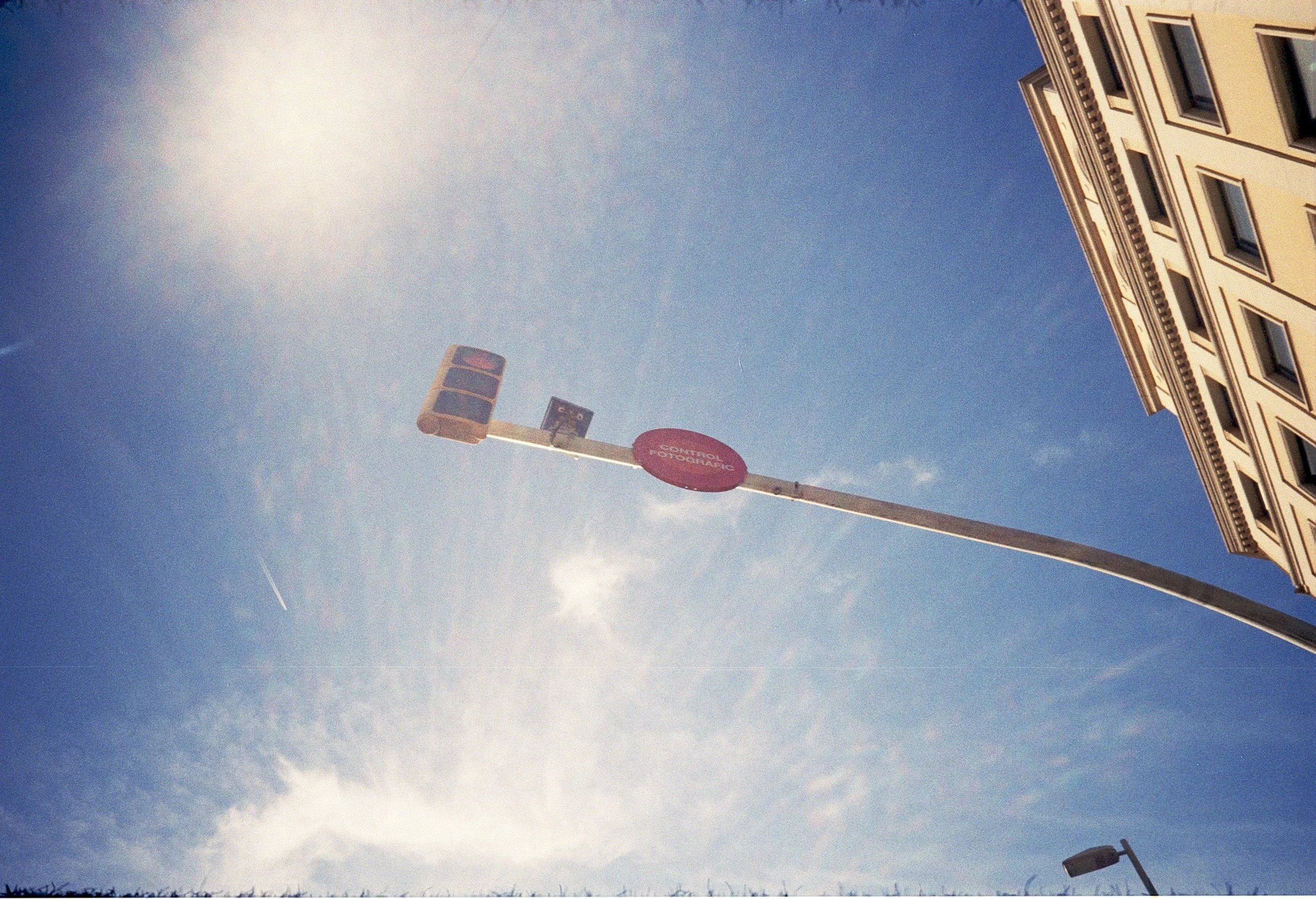
The camera uses a fixed shutter speed of 1/100s and a fixed aperture of f/9.5 with a wide 25mm, 3 element glass lens. On paper, that sounds limiting. In practice, it’s liberating.
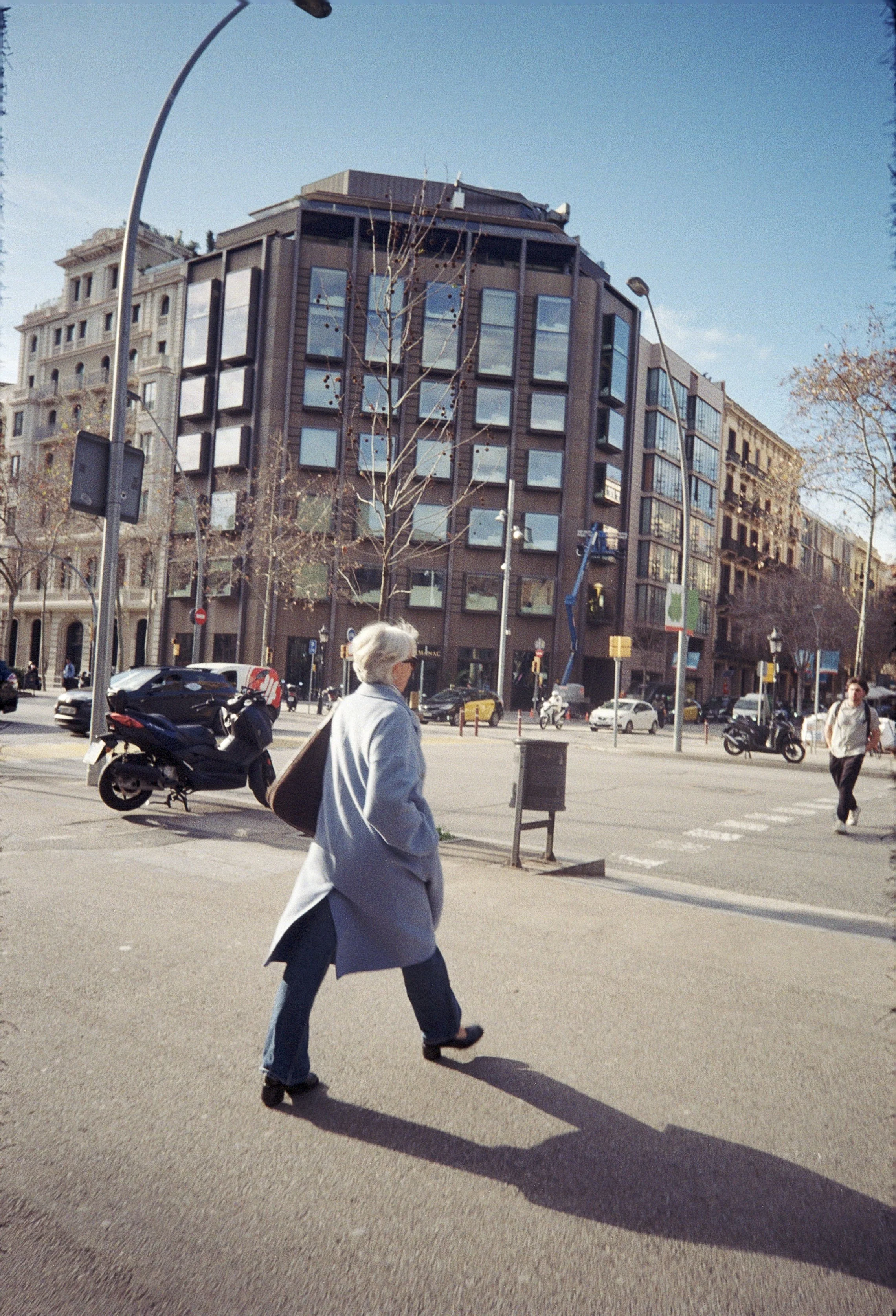
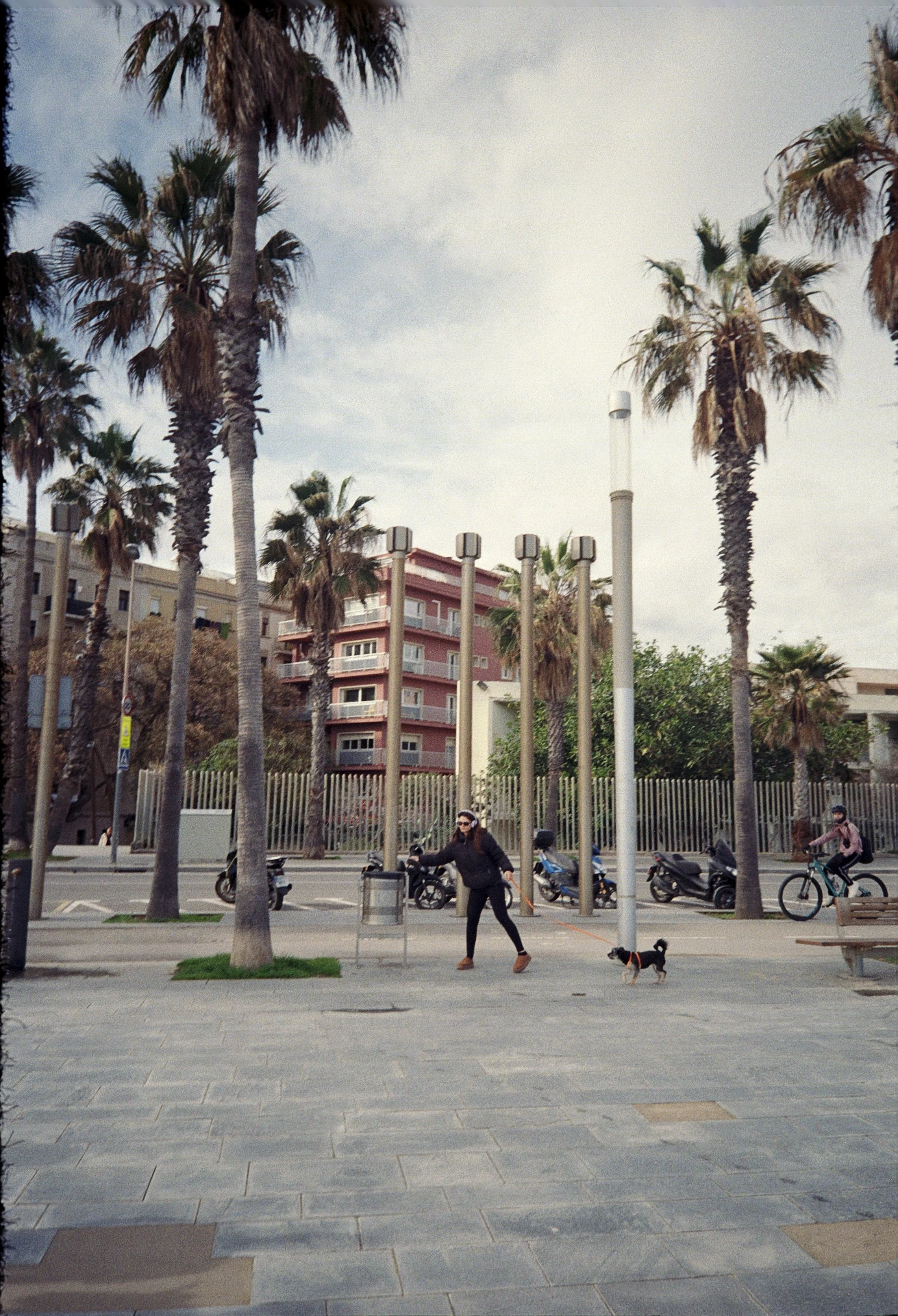
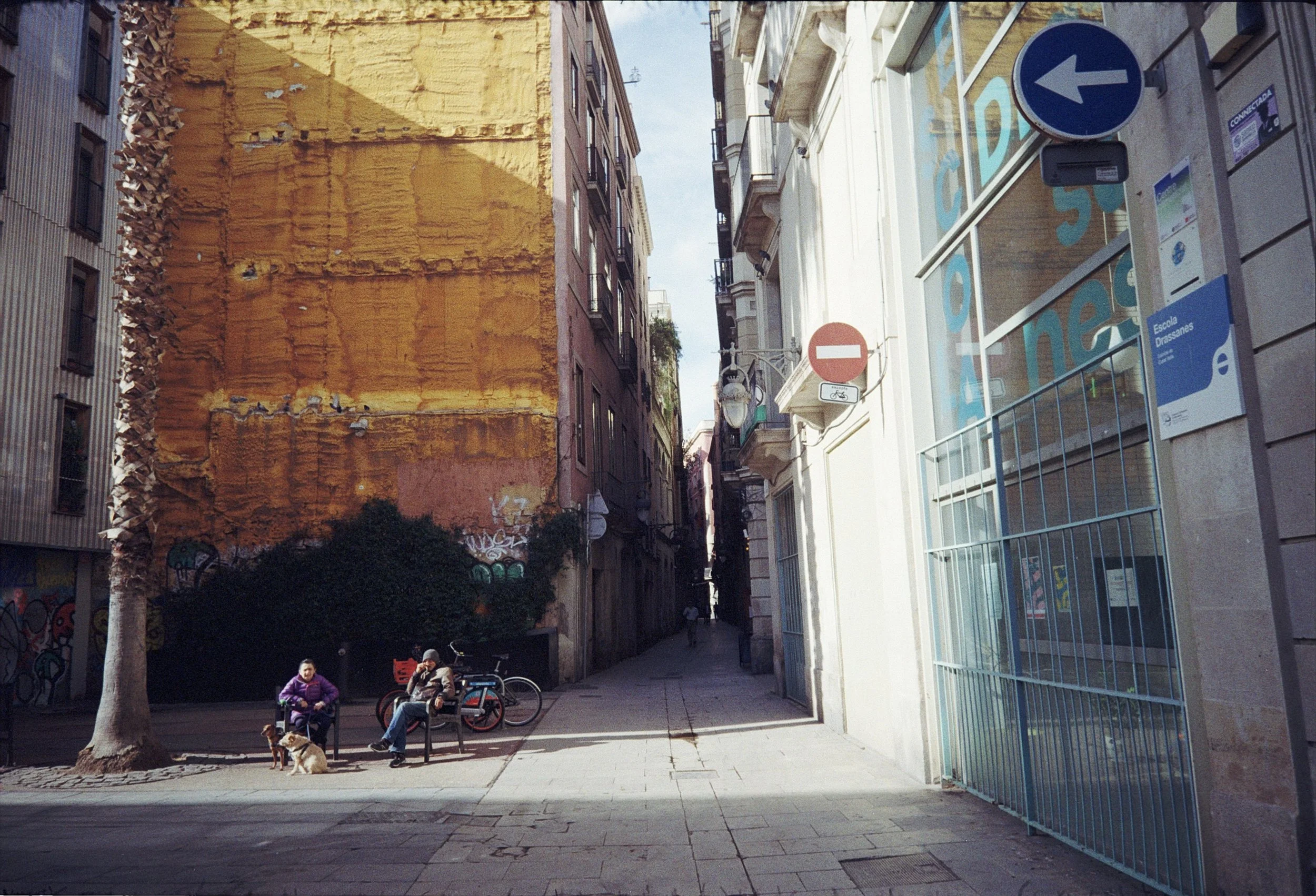
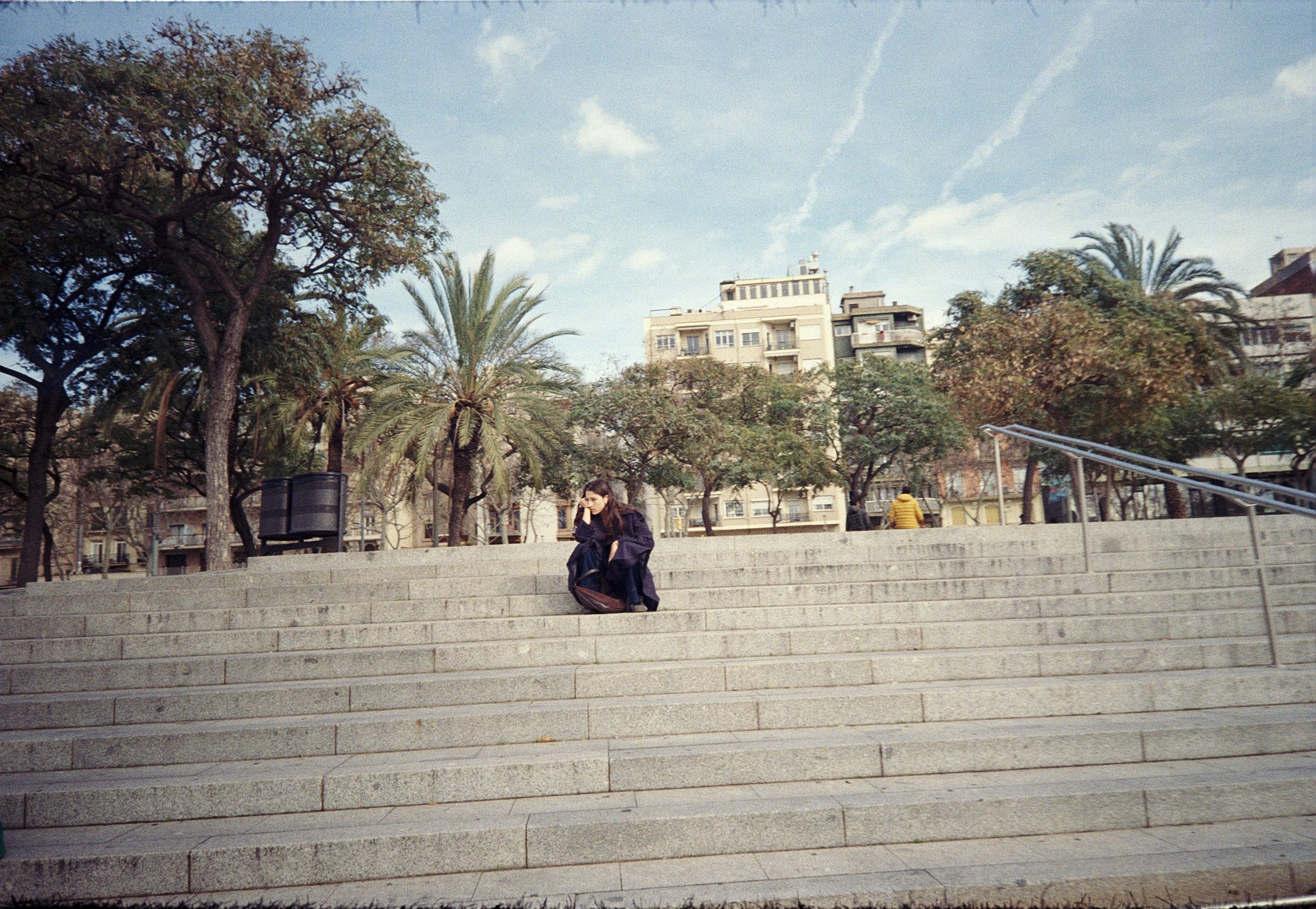
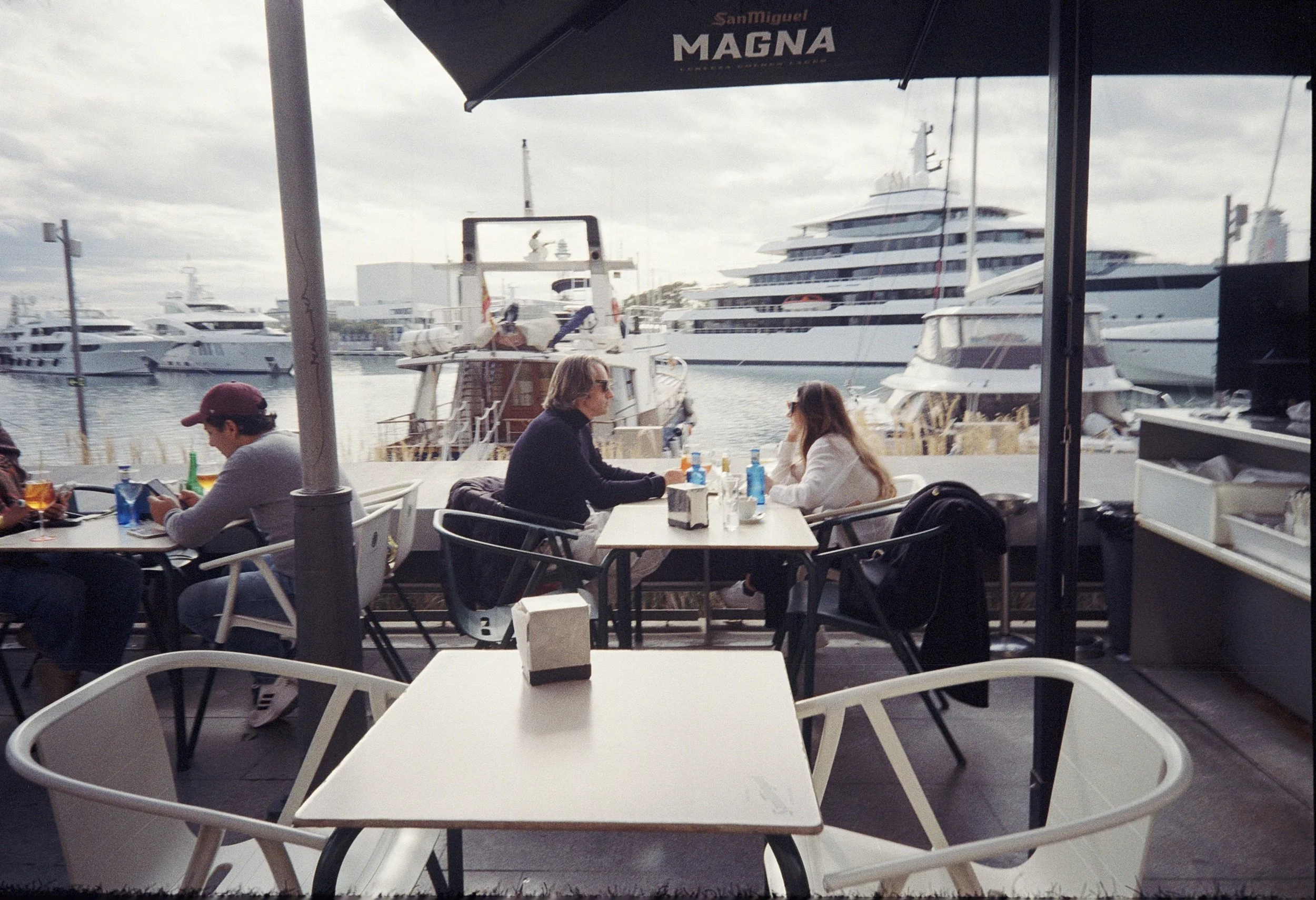
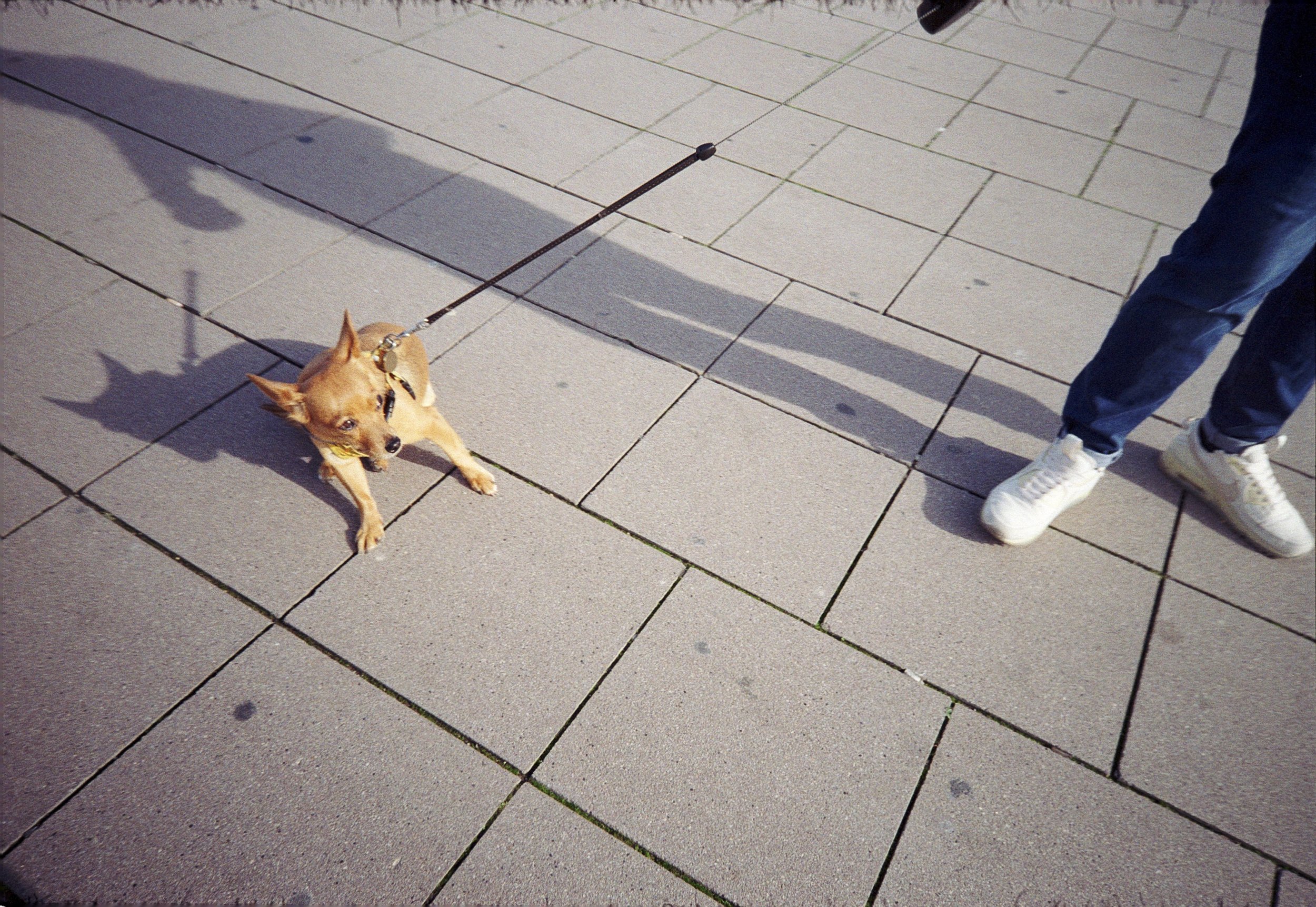
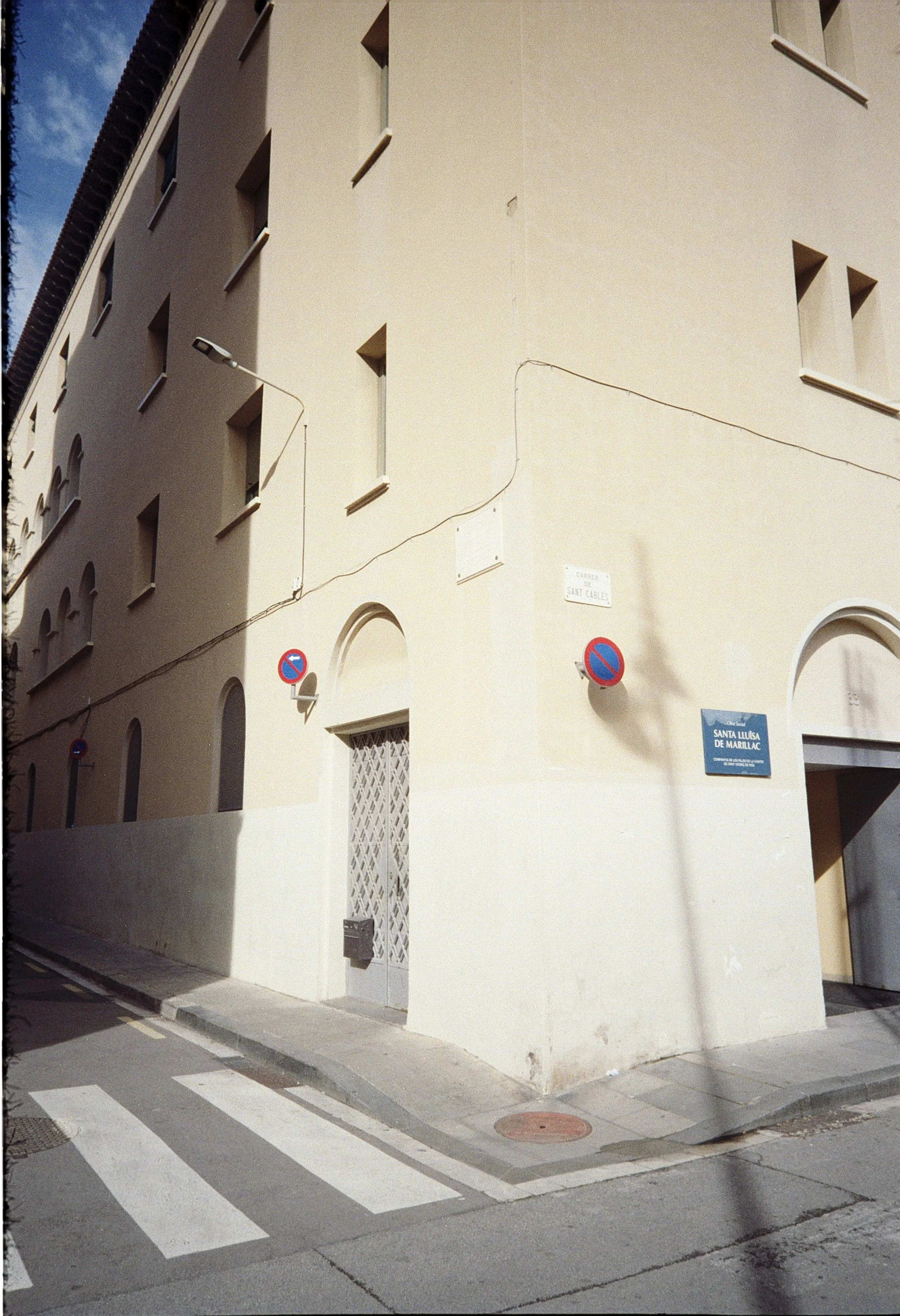
On a sunny day, exposure is almost foolproof. The wide focal length keeps most scenes in acceptable focus, making it perfect for travel, street photography, group shots, and casual indoor photos with flash.
It’s essentially a “point anywhere and shoot” camera and surprisingly effective at that.




Flash and the Unexpected Tourist Advantage
One small feature I loved is that the camera remembers your last flash setting. If you turn the flash off, it stays off the next time you power the camera on. That sounds minor, but in real use it makes the camera far more pleasant.
Interestingly, I found myself using flash quite freely in Barcelona, even on the street and nobody seemed to care. I honestly doubt that would happen in Germany without attracting attention.
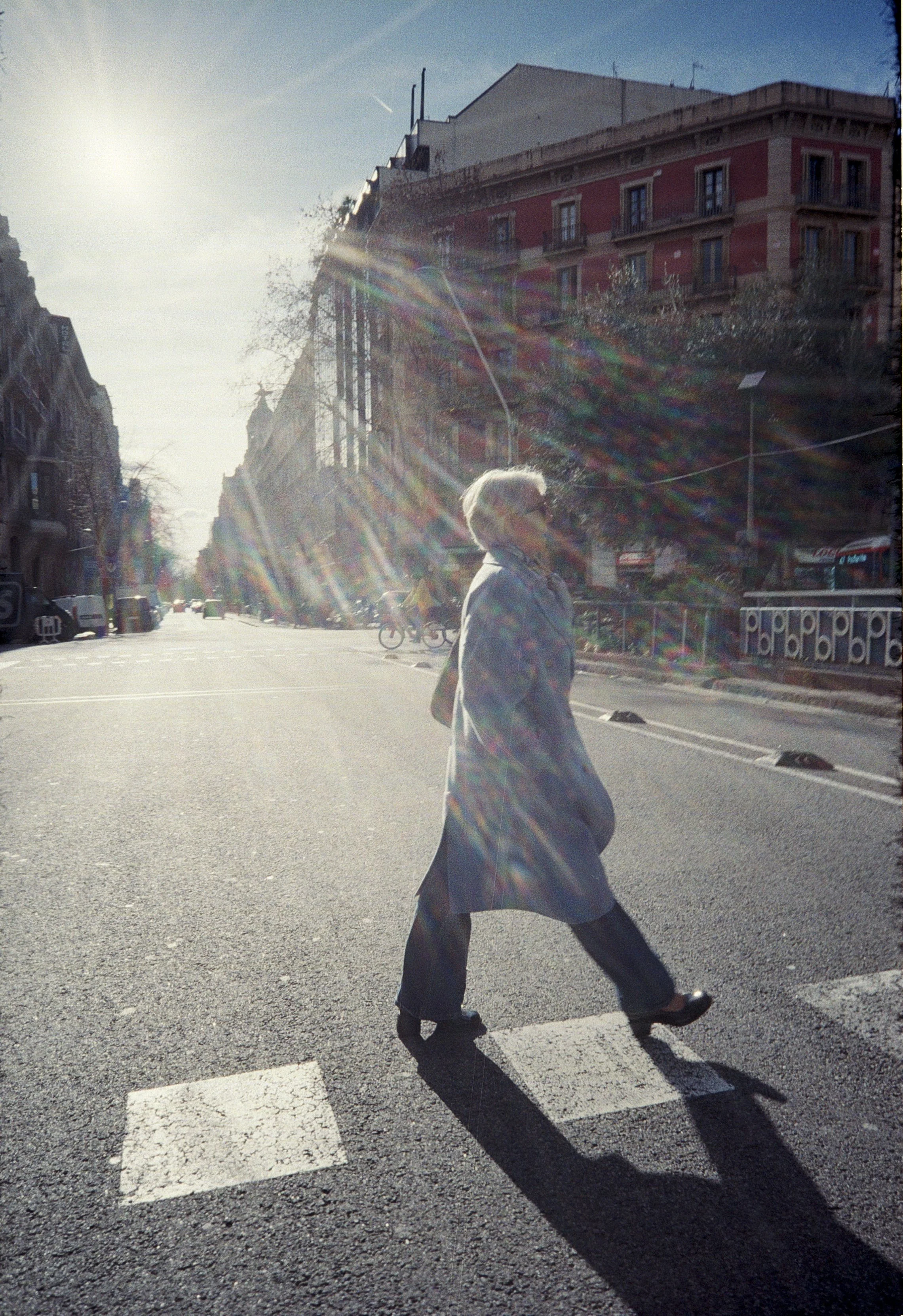
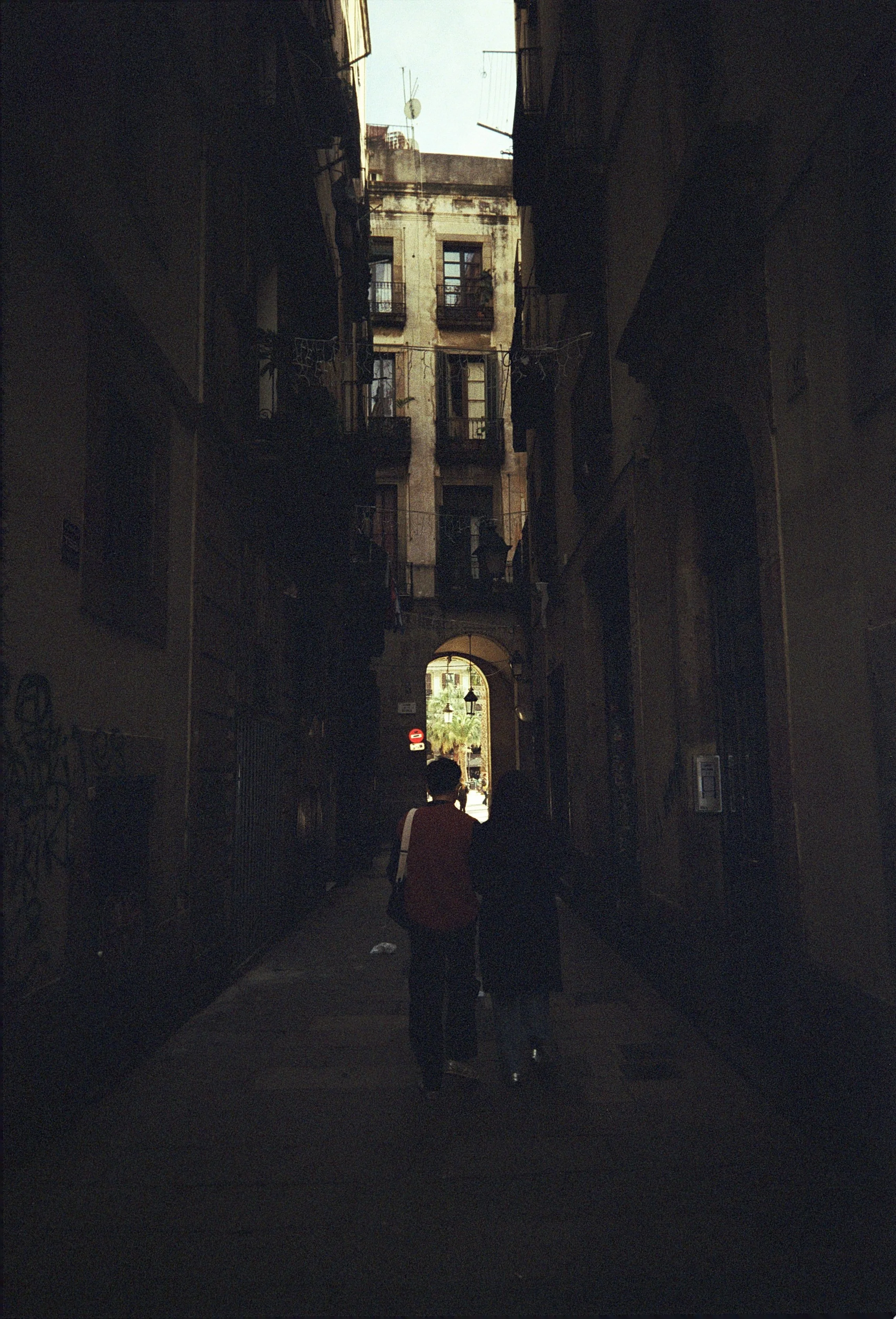
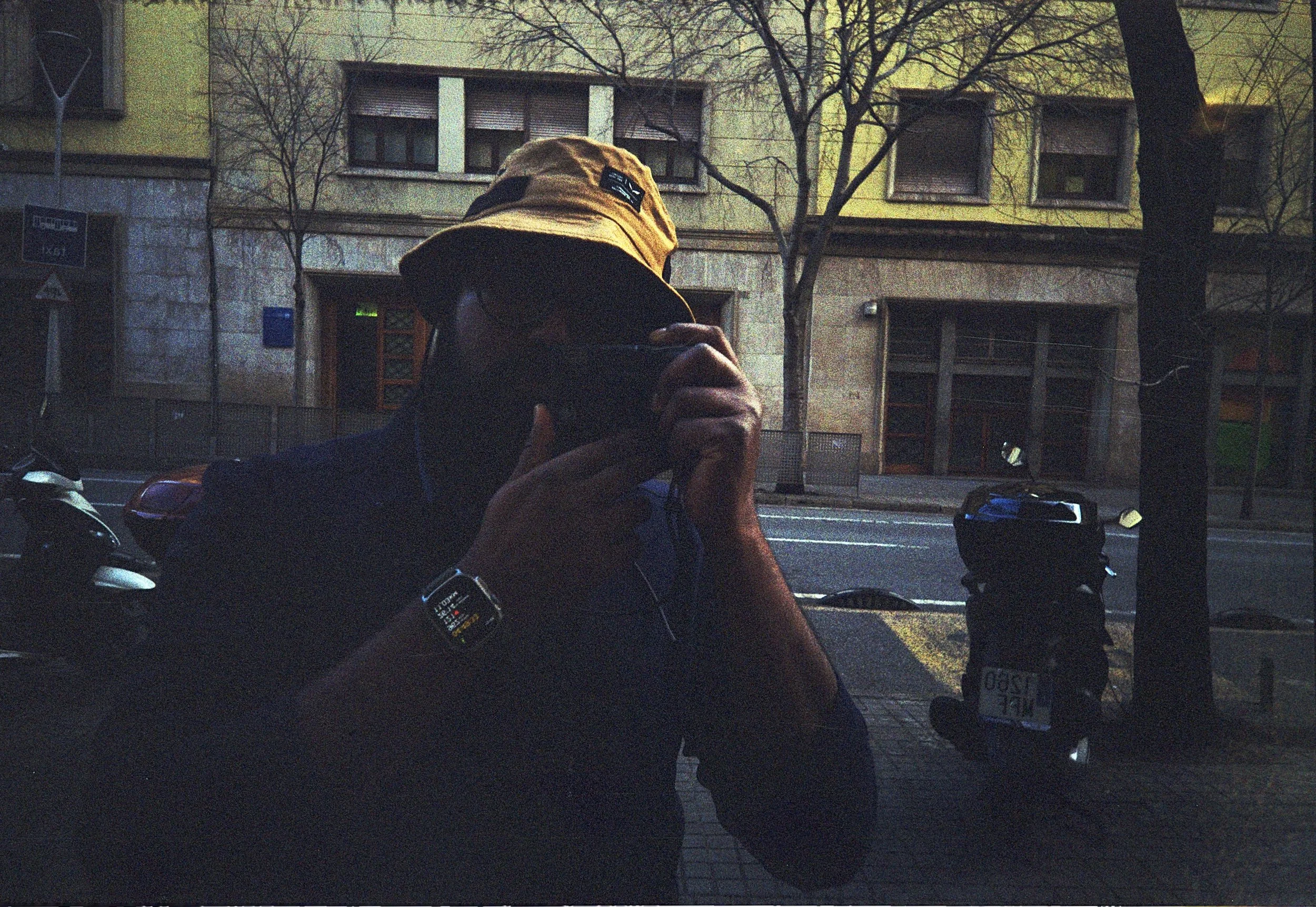
In fact, the camera created a kind of “tourist camouflage.” With a Leica, people notice you. With this camera, people assume you’re just another traveler. That invisibility can be surprisingly useful, especially for candid photography.
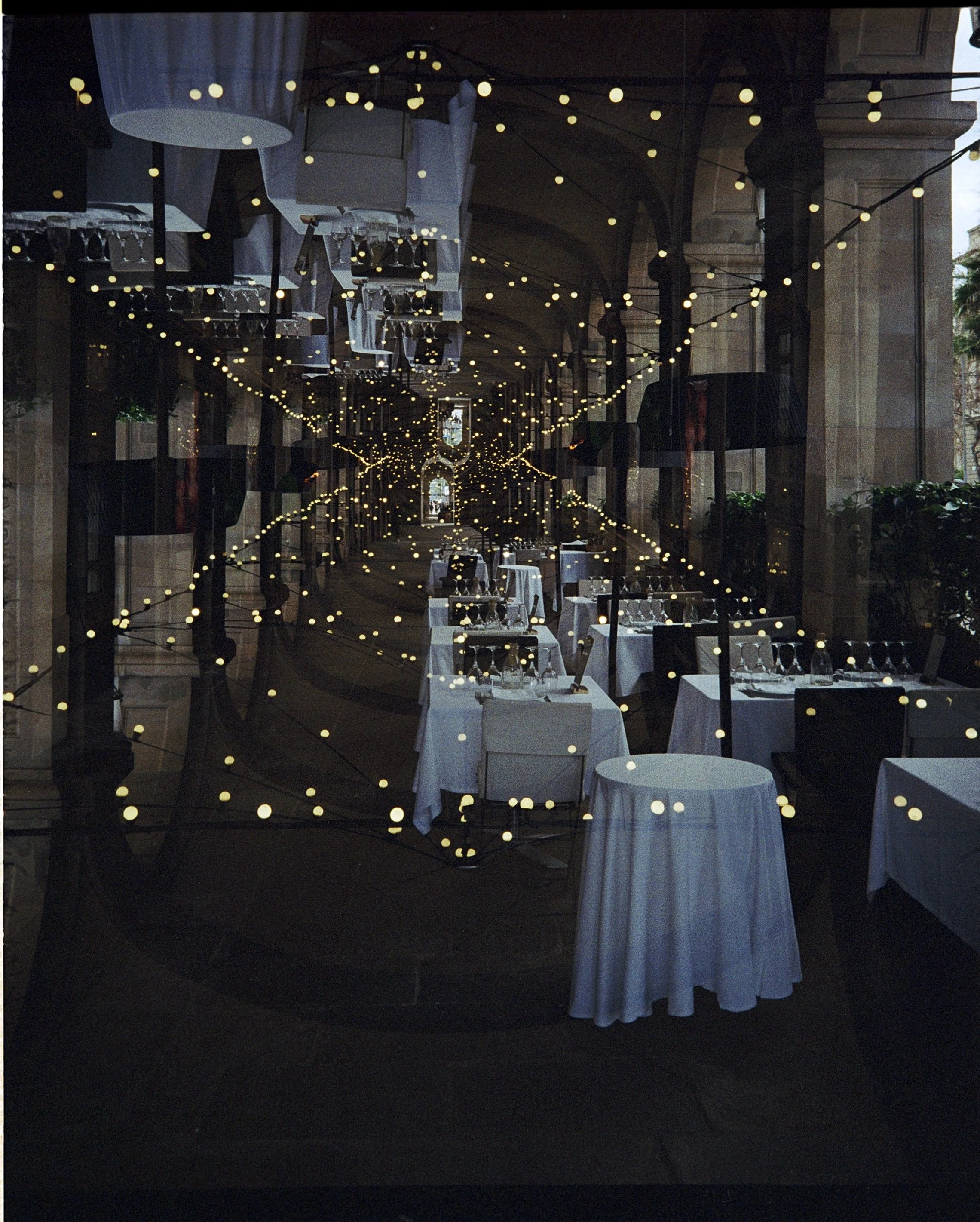
The Most Fun Feature: Double Exposure
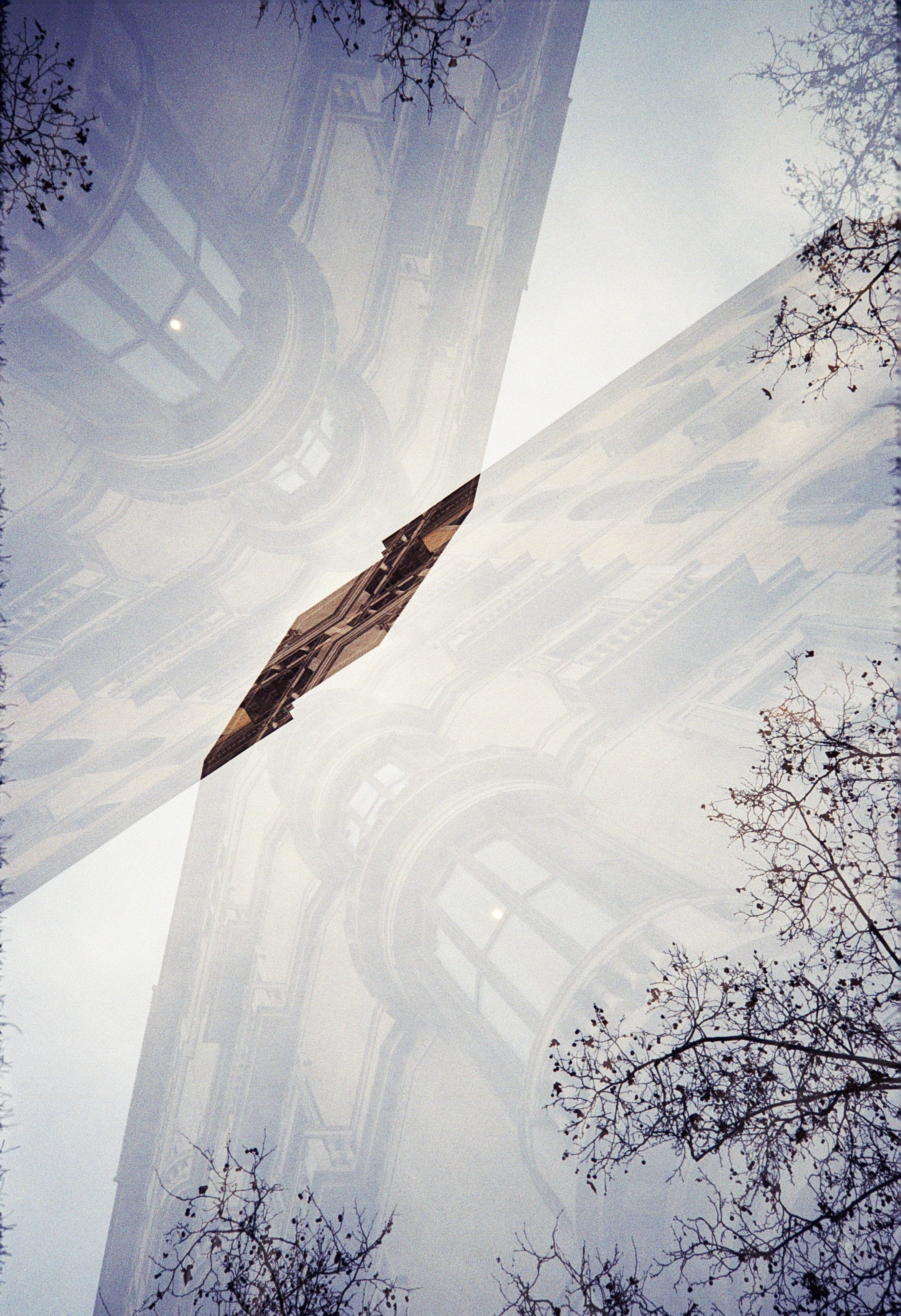
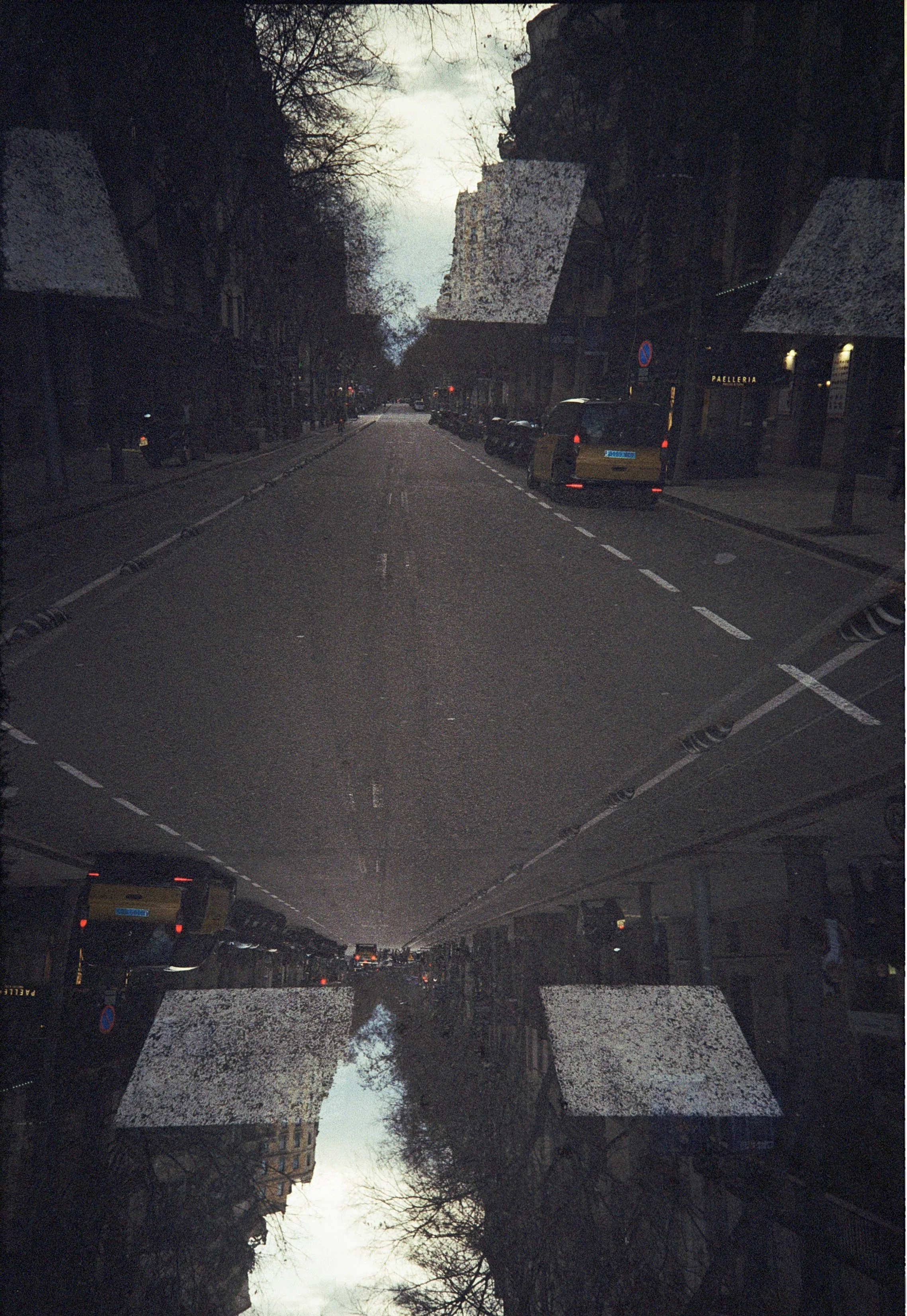
The built-in multi-exposure mode was something I didn’t expect to enjoy as much as I did. Activating it is simple, and the camera handles the film advance automatically after the second shot.
It’s playful, creative, and genuinely fun — especially at this price point, where such features are rare.

Practical Details That Matter
The camera runs on two AAA batteries, which are available everywhere and easy to replace. Battery life seems alright. The battery bar dropped half after my fifth 36 exposure film.
Another pleasant surprise was how many frames I could squeeze out of a roll. With a standard 36 exposure film, I consistently got 39 full frames and even part of a 40th more than I usually get with my Leica M cameras.
For people who develop film at home, there’s also a thoughtful detail: when the camera rewinds the film, the leader doesn’t disappear fully into the cartridge, making processing easier.


Limitations - and Why They Don’t Matter
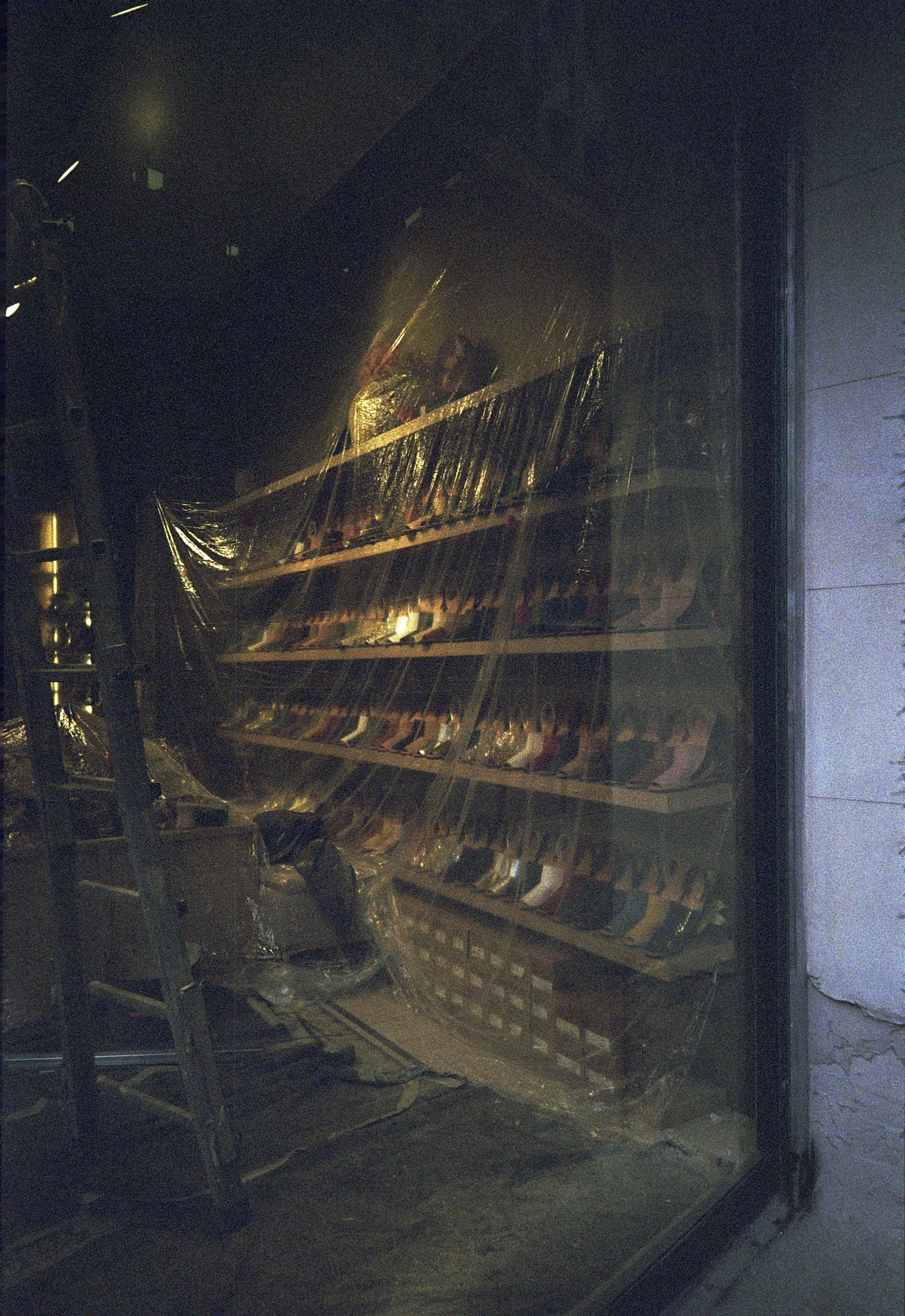
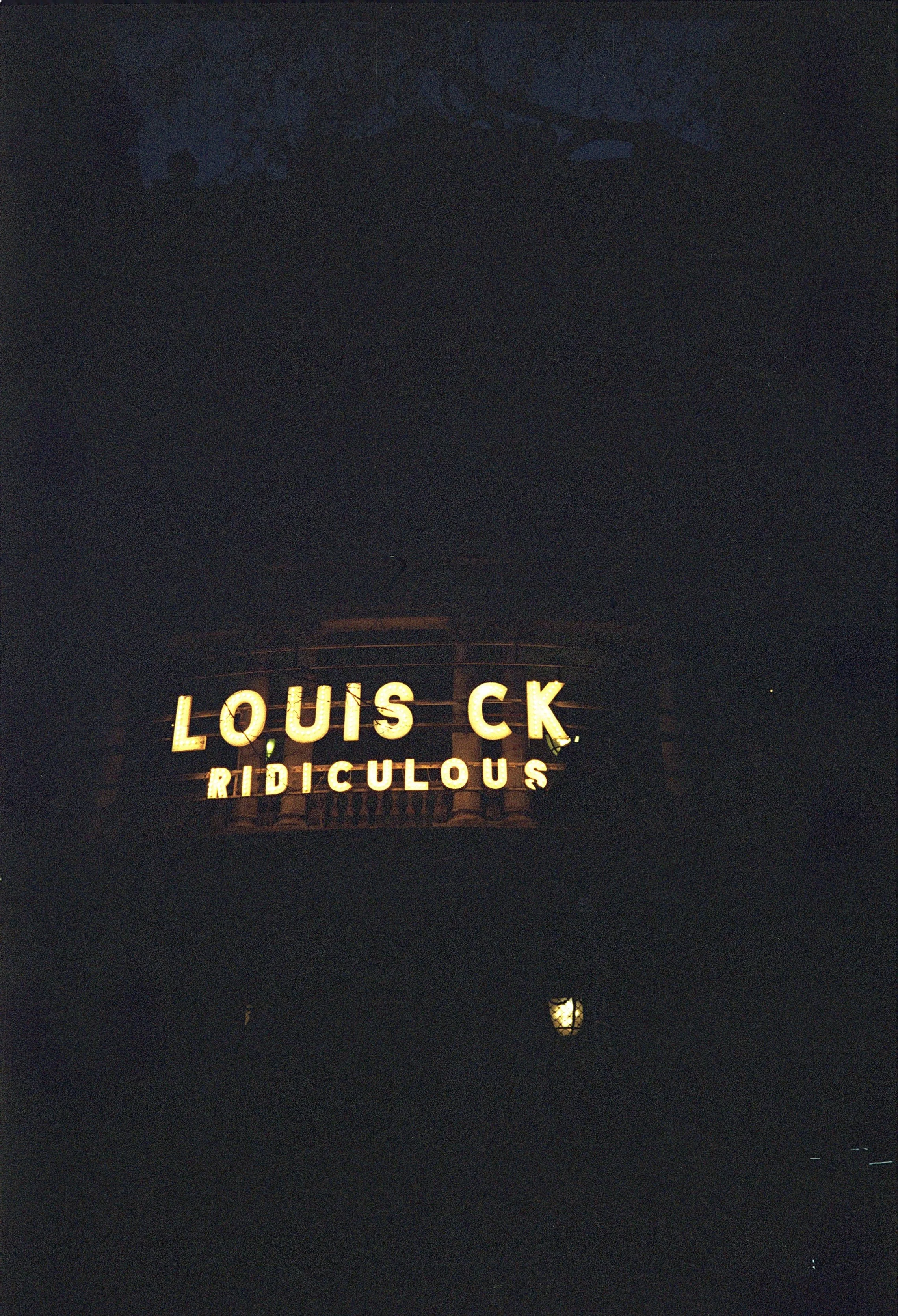
Of course, this camera has clear limitations. Exposure is fixed, ISO options are limited, and low-light shooting without flash isn’t its strength. There’s no manual override or creative control in the traditional sense.
But that’s also the point.
You’re not buying this camera for technical perfection. You’re buying it to capture moments without thinking too much.
And sometimes that’s exactly what photography should be.

A Creative Detox
If you already own advanced cameras, this little device can feel like a reset button. No settings to obsess over, no perfectionism, no decision fatigue. Just life happening in front of you.
It’s oddly liberating.



Build and Minor Quirks
The camera is lightweight, compact, and comes with a strap and soft pouch. One drawback is the lack of a lens cover, so I preferred wearing it around my neck rather than putting it in my pocket.
I also noticed a faint velvet edge artifact at the bottom of the frames. It’s likely from internal anti-reflection material. It’s minor and usually disappears during cropping or scanning, but worth mentioning.

Recommendation
I can easily recommend this camera for travel, parties, beginners, or anyone looking for stress-free photography. It won’t replace a Leica, but it might remind you why you started taking photos in the first place.
And sometimes, that’s more valuable.


Final Verdict
For around 100€, the Snappic A1 delivers far more enjoyment than expected. If it breaks, you replace it. If you lose it, it’s not catastrophic. And if you capture great memories, it’s absolutely worth it.